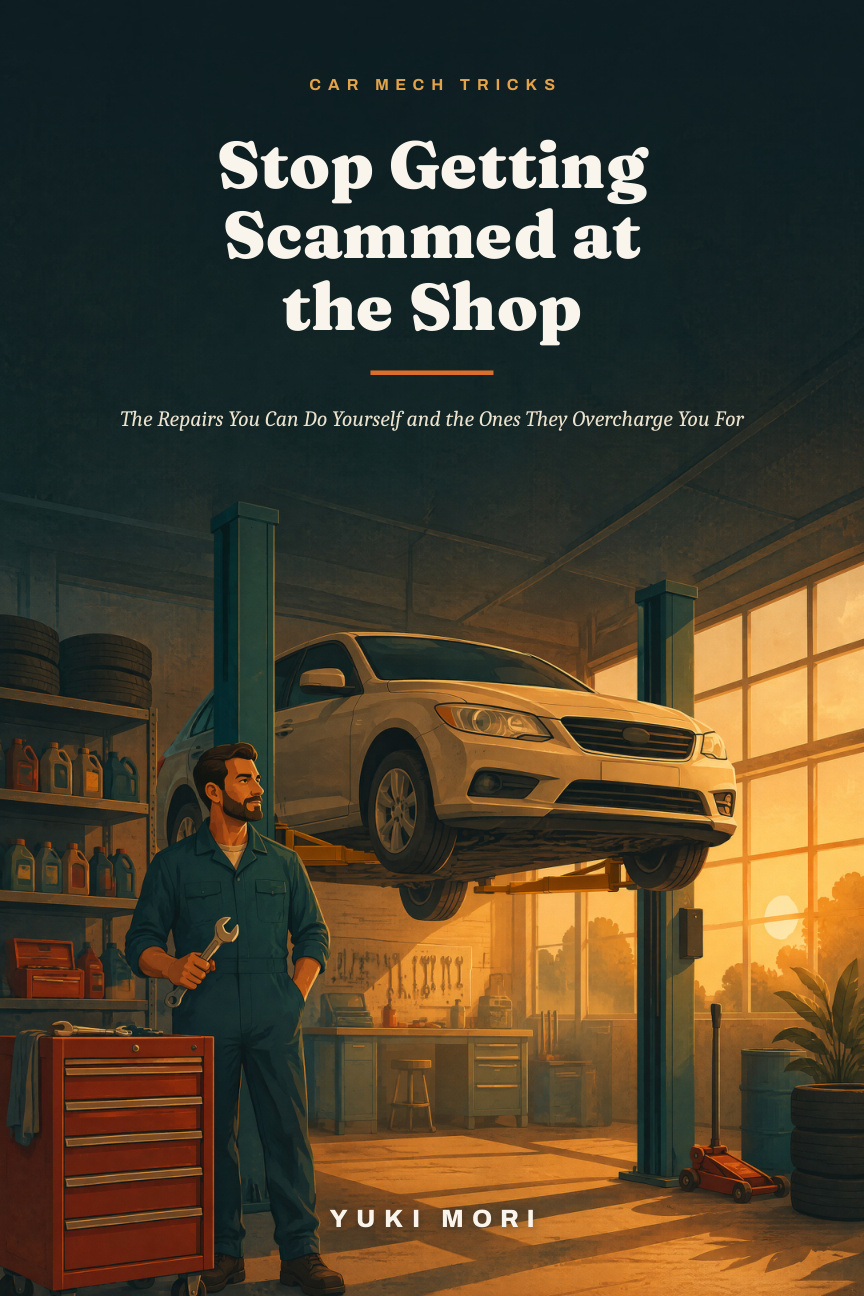
Once you understand that one sentence, most of what happens at a service counter stops being mysterious — and a great deal of it stops happening to you. Ninety chapters on how the money is really made, the upsells one by one, the jobs you can do in your own driveway, and the exact sentence that ends each conversation.
"This is not an attack on mechanics. I am one. It is an explanation of a system."
Before You Begin
The repairs you can do yourself, and the ones they overcharge you for.
I trained in Japan. I have worked in dealerships, in chains, and in small independent shops, and the overwhelming majority of the people I have worked alongside were honest and skilled and cared about doing the job right. If this book leaves you distrusting every person in a set of coveralls, I have failed at writing it.
What it is, is an explanation of a system. Repair shops are businesses with a particular structure, a particular way of paying people, and a particular set of pressures. That structure produces predictable behaviour. Some of what it costs you is shops taking advantage. A surprising amount of it is customers handing money over voluntarily, out of politeness or hurry or not knowing what to ask.
Every chapter has the same shape. What is happening, and why. What is actually true about it. The specific thing to ask, do, or check — usually written as a sentence you can say out loud at the counter. And then a section called The Limits, which tells you where the advice stops working, what varies by vehicle, and when you need a professional rather than a paragraph.
Chapters are short deliberately. You should be able to read one while the kettle boils, and use it that same week.
Get the Book — $47 $27The bay is empty at two in the afternoon, the board at the back says sixty percent productivity, and your car is already on the lift for an oil change. That is where the money comes from. Here is what changes when you know it.
How the business works, then the scams one by one, then the mistakes that are yours, then diagnosing it yourself, then the jobs you can do, then when to stop and pay, then how to find the shop worth paying. Every chapter closes with The Limits.
What people write in after their first visit to the counter with the book behind them.
"They came out with the filter and I said the line from chapter 13 — can I take the old one with me. He put it back in the car. That was $60 saved on a book that cost $27."
"Bought the $20 scanner the day I read part four. The code was a loose gas cap. The dealer had quoted me a diagnostic fee to tell me the same thing."
"What I did not expect was the chapters telling me when to stop and pay. I gave the timing belt to a proper shop and did the brakes myself. Both were the right call."

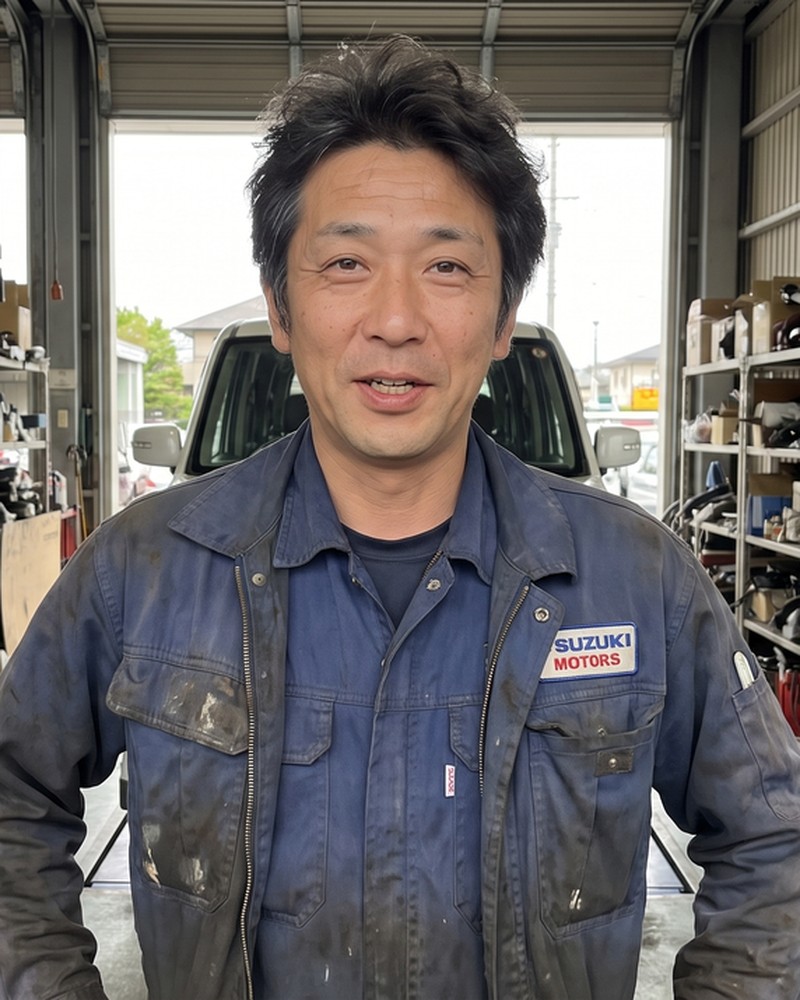
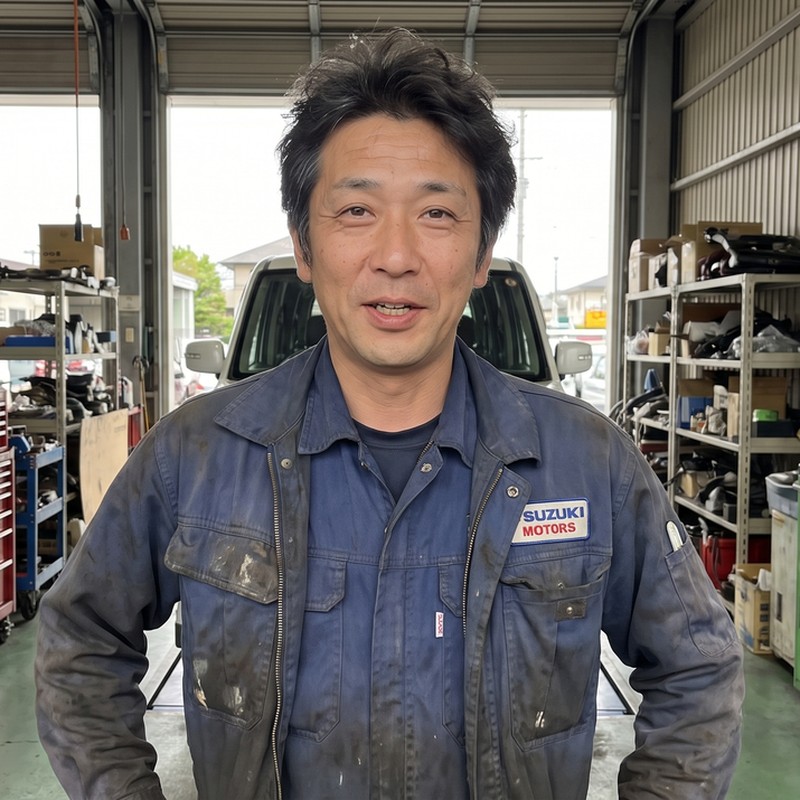
I am Yuki Mori. I run Car Mech Tricks, where I take apart the things that happen to people at a service counter — what the estimate really says, why the quote on the phone is never the final bill, which noise means stop driving and which one means book it in next month.
I trained in Japan, where shaken inspection makes a car's whole life a paper trail, and where a shop that cuts corners does not stay open. Then I worked in dealerships, in chains, and in small independents. I have been the technician the manager pointed at on the productivity board, and I have been the one who had to tell a customer that the last shop sold them a service their car does not have.
None of this is written to make you suspicious of your mechanic. Find a good one and pay them properly — two whole parts of this book are about exactly that. What it is written to do is give you the vocabulary, so that the conversation at the counter happens between two people who both know what is going on.
Some of what is in the book has appeared on the channel. Most of it goes further, because a video has to be about one thing and a chapter does not.
One file. Ninety chapters. Yours the moment you pay.
Every practice in here is one I have watched happen, been asked to perform, or had to undo afterwards — and the book says plainly which of them are outright dishonest, which are grey, and which are legitimate services sold to the wrong car. The first line of the introduction is that this is not an attack on mechanics, because I am one. Two of the seven parts are about paying a shop properly and finding one worth paying. A book that only taught self-reliance would cost you more than it saved.
A video has to be short and has to be about one thing. The book is all ninety in the order the problems actually arrive, with the reasoning underneath each one and The Limits at the end of every chapter. The chapters also lean on each other, which a playlist cannot do: chapter 2 on book time comes back in chapter 83 on reading an estimate, because they are the same idea at the two ends of a transaction.
The sixteen jobs in Part Five were chosen because they carry the largest markup and the smallest skill requirement. An engine air filter is four minutes and no tools. Wiper blades, cabin filter, bulbs and battery terminals are the same evening. Oil, plugs, brake pads and a serpentine belt take longer to read about than to do. Nothing in that part needs a garage or a lift or twenty years of experience — it needs about $250 of tools, bought once, listed in chapter 55. And the jobs that should not be improvised in a driveway are in Part Six instead, named as such.
Because it is worth more to me that a lot of people walk into a shop knowing the questions than that a few pay a premium for them. $27 is the launch price against $47. It is less than a single air filter upsell, and a very long way less than one transmission flush you did not need.
A single illustrated PDF, 136 pages, delivered by Gumroad the moment you pay. It opens on a phone, a tablet or a laptop, and the Glovebox Card, the Counter Script and the Quick Reference table are laid out as pages you can print and keep in the car. No app, no login to remember, no subscription.
The business model is the same wherever labour is sold by the hour, and so are the upsells — the flat-rate guides, the free inspection, the filter in the drawer travel everywhere. What varies is the money and the law: dollar figures are indicative US prices at the time of writing, and the consumer protections cited are American. Every chapter that turns on a legal right tells you to check the rule in your own state, province or country, and chapter 12 is specifically about what Japanese shaken inspection does differently.
Chapter 9 is that question in full, including the Magnuson-Moss Warranty Act and what a dealer can and cannot require of you. The short version is that the answer is more in your favour than most people are led to believe, and the paperwork you need to keep in order to rely on it is one line in the folder from chapter 90. It is a general explanation, not legal advice — verify the position where you live before you rely on it in a dispute.

Ninety chapters on how the shop makes its money, the upsells one by one, and the jobs you can do in your own driveway — $27 during launch instead of $47. Most of what happens at that counter is not a mystery. It is a business model.
Get the Book — $47 $27